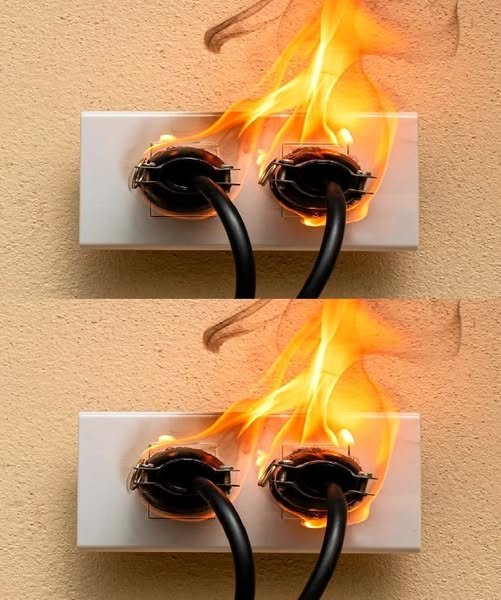
It is easy to switch off the kitchen lights before going to bed and assume everything is safe. However, one small appliance is often overlooked: the toaster.
A toaster contains heating elements that become extremely hot during operation. Even after breakfast is finished, leaving a small appliance connected to the electrical outlet can create an unnecessary electrical and fire risk, particularly if the appliance, plug, cord, or outlet is damaged.
The Electrical Safety Foundation International recommends unplugging toasters and other countertop appliances when they are not being used. The National Fire Protection Association also advises disconnecting small electrical appliances from power sources when they are not in use. (Esfi)
Why Should You Unplug a Toaster?
Toasters generate significant heat while operating. Crumbs and food particles can accumulate inside the appliance, and electrical faults involving a damaged cord, plug, or internal component can potentially create overheating or arcing.
Unplugging the toaster after use removes its connection to the electrical supply and is a simple precaution that can reduce avoidable risks.
What About Other Kitchen Appliances?
The same precaution can be applied to many countertop appliances when they are not needed.
Consider unplugging appliances such as:
Toasters
Coffee makers
Electric kettles
Countertop grills
Toaster ovens
Blenders and food processors
Other small countertop appliances
ESFI specifically recommends unplugging countertop appliances when they are not in use. (Esfi)
Check the Plug and Cord Too
Unplugging an appliance is only part of electrical safety. Before using a countertop appliance, inspect the cord and plug for visible damage.
If an appliance repeatedly trips a circuit breaker or blows a fuse, stop using it and have it checked or replace it. ESFI identifies repeated breaker trips or blown fuses as a possible sign of an electrical defect. (Esfi)
Never use an appliance with a damaged power cord or plug.
Avoid Overloading an Outlet
Heat-producing appliances can draw substantial amounts of electricity. NFPA recommends plugging only one heat-producing appliance into an outlet at a time to help prevent overheating of wiring. (NFPA)
It is also important to keep appliance cords away from hot surfaces and water.
A Simple Nighttime Kitchen Check
Before going to bed, take a few seconds to check:
Make sure the stove and oven are turned off.
Unplug small countertop appliances that are not needed.
Check for damaged cords or plugs.
Keep towels, paper products, and other combustible materials away from heat sources.
Make sure smoke alarms are working properly.
These small habits can make your kitchen safer without requiring much effort.
The Bottom Line
There is no need to panic about every appliance that remains plugged in, but unplugging a toaster and other small countertop appliances when they are not being used is a sensible fire and electrical safety precaution.
A few seconds before going to sleep can help eliminate an unnecessary source of electrical risk.
Would you normally unplug your toaster before going to bed, or do you leave it plugged in?