Pharmacist Warning to Anyone Taking Vitamin D: What You Should Know
Vitamin D is essential for the body. It helps maintain healthy bones, supports calcium absorption, and plays an important role in normal muscle and immune function.
But a warning about vitamin D supplements doesn’t mean that vitamin D is dangerous. The real concern is taking unnecessarily high doses, combining supplements without checking their contents, or using high-dose vitamin D without appropriate medical guidance.
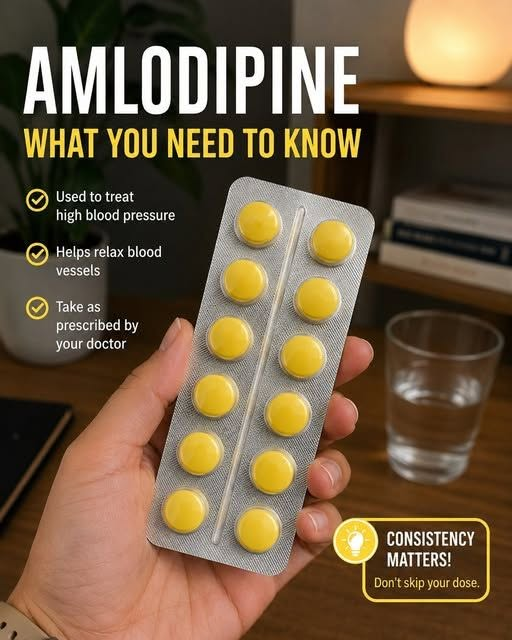
The viral message in the image is therefore missing important context.
Why Does the Body Need Vitamin D?
Vitamin D helps the body absorb calcium and supports normal bone health. It can be obtained from sunlight, certain foods, fortified foods, and dietary supplements.
For adults ages 19–70, the recommended daily amount is 600 IU (15 micrograms). For adults over 70, the recommended amount is 800 IU (20 micrograms). Bureau des Suppléments Alimentaires
That doesn’t mean everyone needs to take a vitamin D supplement. Whether supplementation is appropriate depends on diet, sun exposure, medical circumstances, and sometimes blood-test results.
When Can Vitamin D Become Harmful?
Vitamin D is fat-soluble, meaning the body can store it. Taking very large amounts over time can cause vitamin D toxicity.
Excess vitamin D can increase calcium levels in the blood, a condition called hypercalcemia. Symptoms can include:
Importantly, the NIH notes that vitamin D toxicity is almost always caused by excessive intake from supplements, rather than normal sun exposure. Bureau des Suppléments Alimentaires
How Much Vitamin D Is Too Much?
For adults, the established upper intake level is 4,000 IU (100 micrograms) per day from all sources.
This is a safety limit, not a recommended daily target. Taking more than the recommended amount does not automatically provide additional health benefits. Bureau des Suppléments Alimentaires
However, there is an important exception: a healthcare professional may temporarily prescribe doses above this level to treat a documented vitamin D deficiency. Such treatment should be medically supervised. Bureau des Suppléments Alimentaires
Don’t Confuse These Two Numbers
Recommended daily amount: • Adults 19–70: 600 IU • Adults 71+: 800 IU
Upper daily limit for adults: • 4,000 IU
The upper limit is not a recommended dose.
Can Vitamin D Interact With Medications?
Yes. This is one reason pharmacists may ask about supplements when reviewing medications.
Vitamin D can interact with certain medicines, including some:
Weight-loss medications such as orlistat
Steroid medications
Statins
Thiazide diuretics
For example, combining vitamin D supplements with thiazide diuretics may increase the risk of excessively high calcium levels, particularly in some older adults or people with kidney problems. Bureau des Suppléments Alimentaires
If you take prescription medications regularly, it’s a good idea to tell your doctor or pharmacist about all vitamins and supplements you’re taking.
Should Everyone Take a Vitamin D Supplement?
No.
Some people may benefit from supplementation, particularly when they have inadequate vitamin D intake or a medically diagnosed deficiency. But taking a high-dose supplement simply because vitamin D is considered “good for you” isn’t necessarily beneficial.
Your healthcare professional can determine whether supplementation is appropriate and, when necessary, whether a blood test is warranted.
What About Vitamin D and Calcium?
People sometimes combine vitamin D and calcium supplements because vitamin D helps the body absorb calcium.
But more isn’t necessarily better.
High doses of vitamin D can cause calcium levels to become too high, and excessive calcium and vitamin D supplementation can create additional risks in some people. Bureau des Suppléments Alimentaires
This is especially important if you’re already taking a multivitamin, calcium supplement, or several different products containing vitamin D. Check the labels so you know your total daily intake.
Signs You May Be Taking Too Much
If someone taking high-dose vitamin D develops unexplained:
The viral headline “pharmacist issues serious warning to anyone who takes vitamin D” is misleading if it suggests that ordinary vitamin D supplementation is dangerous for everyone.
The more accurate message is:
Vitamin D is an essential nutrient, but taking excessive amounts of supplements can be harmful.
For most adults, 600–800 IU per day is the recommended dietary intake depending on age, while 4,000 IU per day is the established upper intake limit unless a healthcare professional is supervising a higher-dose treatment plan. Bureau des Suppléments Alimentaires
Before taking a high-dose vitamin D supplement, especially if you take prescription medications or have kidney or calcium-related problems, discuss it with your doctor or pharmacist.
This article is for general educational purposes and does not replace individualized medical advice.