Sarcopenia: Why Do We Lose Muscle, and How Can We Fight It?
Muscle loss is often treated as an unavoidable part of getting older—but losing strength and muscle function is not something we simply have to accept without doing anything about it.
The medical term sarcopenia describes a progressive loss of skeletal-muscle strength and muscle quantity/quality. It is particularly common with aging, although it can also occur earlier in life. PubMed
And the good news is that regular resistance exercise, adequate nutrition, and addressing underlying health problems can help preserve or improve muscle function.National Institute on Aging
💪 What Exactly Is Sarcopenia?
Sarcopenia isn’t simply having thin arms or losing weight.
Modern definitions place particular importance on muscle strength and physical function, in addition to muscle quantity or quality. A person may have a relatively normal body weight while still experiencing significant loss of muscle strength. PubMed
Possible signs include:
Difficulty getting up from a chair
Trouble climbing stairs
Reduced walking speed
Difficulty carrying groceries
Feeling unusually weak
Decreased ability to perform everyday activities
Increasing problems with balance or falls
Age-related muscle loss is also associated with increased fall and fracture risk. National Institute on Aging
🧓 Why Does Muscle Disappear With Age?
Several factors can contribute.
1. Less physical activity
Muscles respond to being used. When someone becomes increasingly sedentary, muscles receive less stimulation to maintain their strength and size.
This can happen after illness, hospitalization, injury, or simply through years of reduced activity.
2. Aging itself
Muscle mass and strength generally peak in early adulthood and gradually decline afterward, with the decline becoming more pronounced at older ages. National Institute on Aging
3. Not eating enough protein or calories
Muscle tissue requires adequate nutrition to maintain itself.
Older adults who don’t consume enough food or protein may be at greater risk of muscle loss, particularly when combined with inactivity or illness. Clinical guidelines conditionally recommend a protein-rich diet or protein supplementation for older adults with sarcopenia. PubMed
4. Chronic illnesses
Long-term diseases and periods of poor health can contribute to muscle loss. Sarcopenia is more common in people with chronic diseases. National Institute on Aging
5. Prolonged inactivity
Spending weeks in bed or being inactive after an illness can cause noticeable loss of strength.
That’s why recovering mobility after illness is so important.
🏋️ The Most Important Tool: Resistance Exercise
If there is one thing to remember about preventing or managing age-related muscle loss, it’s this:
Muscles need resistance.
That doesn’t necessarily mean lifting heavy weights in a gym.
Resistance training can include:
Squats or chair stands
Resistance bands
Light dumbbells
Wall push-ups
Step-ups
Leg raises
Certain body-weight exercises
International clinical guidelines strongly recommend resistance-based physical activity for people with sarcopenia because it can improve muscle strength, muscle mass and physical function. PubMed
The National Institute on Aging likewise emphasizes strength training as an important way to maintain muscle as we age. National Institute on Aging
🥚 Don’t Forget Protein
Exercise provides the stimulus, but your body also needs the building blocks to maintain muscle.
Protein-rich foods include:
Eggs
Fish and seafood
Chicken and other lean meats
Greek yogurt and other dairy products
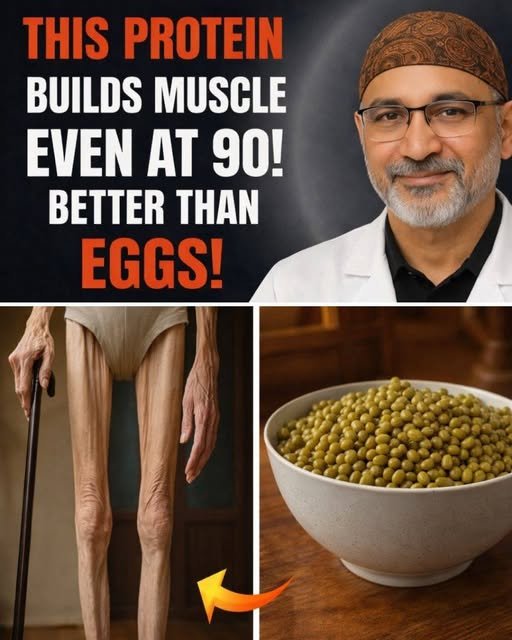
Beans and lentils
Nuts and seeds
Soy foods
A balanced diet containing adequate protein can support muscle maintenance, particularly when combined with resistance exercise. NIH News in Health
However, more protein isn’t automatically better. People with kidney disease or certain other medical conditions may need individualized dietary advice.
🚶 Walking Is Great—but Don’t Stop There
Walking is excellent for cardiovascular health, mobility and maintaining physical activity.
But walking alone doesn’t provide the same resistance stimulus as strength training.
A useful approach for many older adults is to combine:
**🚶 Walking or other aerobic activity
🏋️ Resistance training
⚖️ Balance exercises
🥗 Adequate nutrition**
The National Institute on Aging notes that physical activity can help protect against age-related loss of muscle mass, strength and function. National Institute on Aging
🪑 A Simple Starting Point
Someone who is new to strength training doesn’t need to begin with heavy weights.
For example, a beginner might start with chair stands:
Sit in a sturdy chair.
Stand up slowly without using your hands if possible.
Sit back down under control.
Repeat several times.
Rest and gradually increase the challenge as strength improves.
Other exercises can be added progressively.
If someone is frail, has significant weakness, has recently been hospitalized, or has a medical condition affecting movement, it’s wise to speak with a healthcare professional or physical therapist before starting a new exercise program. NIH also recommends discussing a new exercise routine with a doctor when appropriate. NIH News in Health
🧠 Can Sarcopenia Be Reversed?
In some people, muscle strength and physical function can improve substantially with appropriate training and nutrition.
But there isn’t a single pill, vitamin, fruit, or supplement that reliably reverses sarcopenia by itself.
Resistance training remains the central intervention, while nutrition is an important part of the overall strategy. PubMed
And if weakness develops suddenly or is unusually severe, don’t automatically assume it’s “just aging.” Weakness can have many medical causes and deserves evaluation.
❤️ The Bottom Line
Getting older doesn’t mean you should stop challenging your muscles.
Use them, nourish them, and keep moving.
Strength training can help older adults maintain the ability to stand, walk, climb stairs, carry objects and remain independent. Combined with adequate nutrition and appropriate medical care, it is one of the most important strategies for fighting age-related muscle loss. National Institute on Aging
If you’ve noticed that everyday activities such as getting out of a chair, climbing stairs, or carrying groceries have become noticeably harder, it’s worth discussing this with a healthcare professional rather than assuming it’s simply normal aging.
What do you think is harder to maintain as we get older—muscle strength, balance, or flexibility? 💪👇
This article is for general educational purposes and is not a substitute for personalized medical advice.