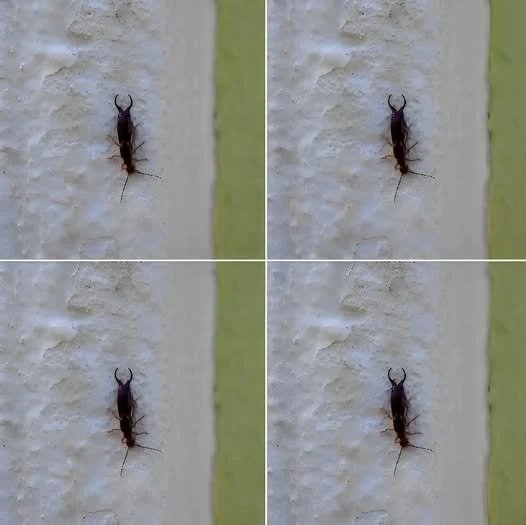
The idea of placing a few fragrant plants around your home and suddenly never seeing a mouse, spider, or insect again sounds appealing—but the reality is more complicated.
Certain plants contain aromatic compounds that can discourage some insects, particularly when their essential oils or strong fragrances are concentrated. However, simply keeping a potted plant indoors is not a guaranteed pest-control method, and there is little evidence that houseplants alone can eliminate mice or spiders. Penn State Extension
Still, these plants can be useful additions to a home, especially when combined with good pest-prevention habits.
1. Mint
Mint is one of the most commonly suggested plants for natural pest control.
Tip: Grow mint in a pot rather than directly in the garden because it can spread aggressively.
Best for: Certain insects and ants.
2. Lavender
Lavender has a strong fragrance that can help discourage some unwanted insects. Extension resources specifically note its potential against fleas, mosquitoes, and moths. Utah State University Extension
It also produces flowers that can attract beneficial pollinators.
Best for: Moths, mosquitoes, and some other insects.
3. Rosemary
Rosemary contains aromatic compounds that have demonstrated insect-repellent activity, particularly in concentrated oil form. Penn State Extension
A healthy rosemary plant can also be useful in the kitchen, making it a practical choice for a sunny windowsill.
Best for: Some flying and crawling insects.
4. Basil
Basil is another aromatic herb whose essential oil has shown repellent activity against certain insects. Penn State Extension
Keep it in a bright location and harvest the leaves regularly to encourage new growth.
Best for: Certain insects, while also providing a useful culinary herb.
5. Marigolds
Marigolds are often associated with natural pest management.
Their strong scent may discourage some pests, while their flowers can attract beneficial insects such as ladybugs and lacewings that prey on certain garden pests. Utah State University Extension
Best for: Garden pests and supporting beneficial insects.
6. Garlic
Garlic contains sulfur compounds and has natural insect-repellent properties. Extension guidance notes its potential against pests such as aphids, spider mites, and whiteflies. Utah State University Extension
Growing garlic isn’t going to create an invisible barrier around your house, but it can be useful as part of an overall garden pest-management strategy.
Best for: Certain garden insects.
7. Eucalyptus
Eucalyptus has a powerful aroma, and eucalyptus oil can deter some pests such as mosquitoes and flies. Utah State University Extension
However, there’s an important distinction between a eucalyptus plant and a concentrated essential oil. Research on repellency often involves the oil or specific chemical compounds rather than simply having a plant sitting in a room.
Best for: Some flying insects.
8. Lemon Balm
Lemon balm has a strong lemon-like fragrance and belongs to the mint family.
Its aromatic nature makes it an interesting addition to an herb garden, although claims that a pot of lemon balm will eliminate household pests should be treated cautiously.
Best for: Adding fragrance and supporting a broader natural pest-management approach.
What About Mice?
This is where viral posts often exaggerate the evidence.
Peppermint and other strong-smelling substances are frequently promoted as mouse repellents. However, Penn State Extension notes that while mice may dislike the smell of peppermint, it does not reliably make them leave a building. Mice can simply move around the strongly scented area. Penn State Extension
So putting a mint plant next to a mouse hole isn’t a substitute for sealing the hole.
What About Spiders?
Plants shouldn’t be considered a guaranteed spider repellent either.
Spiders are predators, and reducing the insects they feed on can sometimes make an area less attractive to them. But simply placing peppermint, lavender, or another plant in a room does not guarantee that spiders will disappear.
The Most Effective Approach
If you’re dealing with pests inside the home, combine plants with practical prevention:
✓ Seal cracks and openings around doors and windows ✓ Keep food in tightly closed containers ✓ Clean up crumbs and food spills ✓ Don’t leave pet food out unnecessarily ✓ Reduce standing water and excessive moisture ✓ Keep indoor areas uncluttered ✓ Repair damaged screens ✓ Remove obvious pest entry points
Plants can be a pleasant supplement, but they shouldn’t replace proper pest management when there’s an established infestation.
One Important Reality Check
The viral claim that these plants will make you “never see mice, spiders or insects again” is too strong.
Plant-derived repellents can have useful effects against certain insects, but research indicates that their effectiveness is generally more limited and shorter-lasting than proven commercial repellents. Penn State Extension
So think of these plants as one small tool in your pest-prevention toolbox—not a magic shield around your home.
Which of these plants do you already have at home? 🌿 Have you noticed fewer insects after growing any of them? Tell us in the comments! 👇