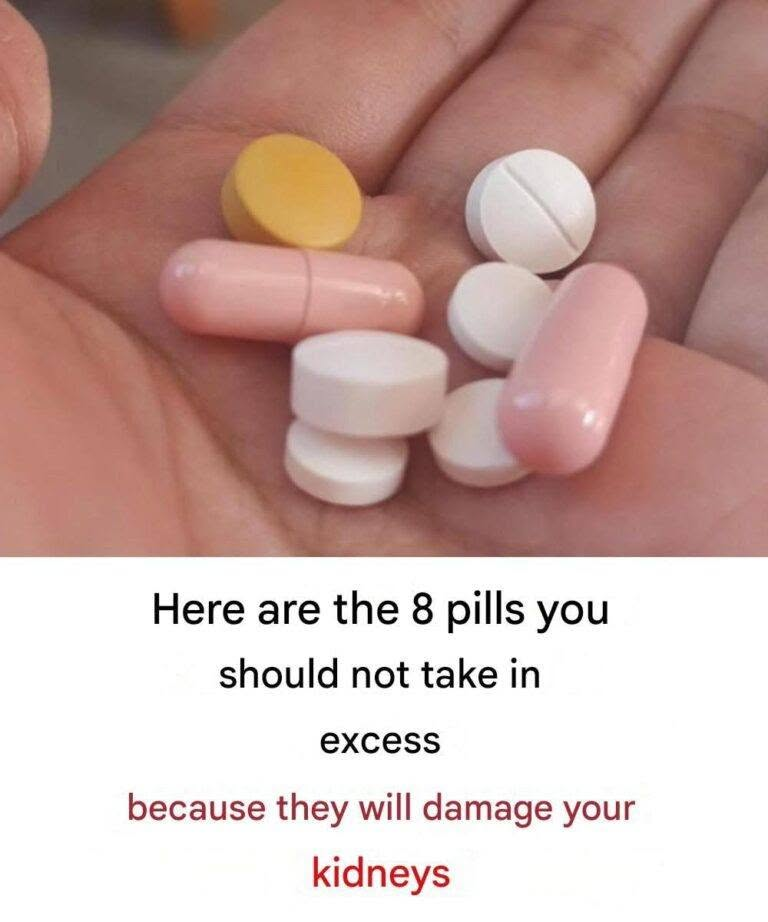
A warning like the one in this image can sound frightening, but the important issue isn’t simply “these medicines are dangerous.” The concern is that certain combinations—particularly ramipril, furosemide and an NSAID such as ibuprofen—can put extra stress on the kidneys and affect blood pressure and fluid balance.
That interaction is real and worth understanding. It does not mean people should stop their prescribed medicines.
⚠️ The Combination That Deserves Particular Attention
Ramipril is an ACE inhibitor used for conditions including high blood pressure and heart failure.
Furosemide is a diuretic (“water pill”) that helps the body remove excess salt and water.
Ibuprofen is an NSAID used for pain and inflammation.
When an ACE inhibitor such as ramipril and a diuretic such as furosemide are combined with an NSAID such as ibuprofen, kidney function can be affected—especially in people who are dehydrated, older, or already have kidney problems. UK medicines guidance specifically warns about the renal risks of NSAIDs in people taking ACE inhibitors and diuretics. nhs.uk
This combination is sometimes referred to as the “triple whammy.”
🩺 Why Can It Affect the Kidneys?
Each medication influences the body’s circulation or fluid balance in a different way.
Ramipril changes pressure within the kidney’s filtration system.
Furosemide reduces circulating fluid by increasing urine production.
Ibuprofen can reduce blood flow to the kidneys.
Together, particularly during dehydration, these effects can make it harder for the kidneys to maintain normal filtration. GOV.UK
The risk isn’t the same for everyone, but it is important enough that pharmacists and doctors take the combination seriously.
💊 What About Amlodipine?
Amlodipine is a calcium-channel blocker commonly used for high blood pressure and angina.
It doesn’t form the same classic ACE inhibitor + diuretic + NSAID kidney-risk combination described above.
However, people taking amlodipine should still tell their doctor or pharmacist about all other medicines, supplements and herbal products they’re using because drug interactions can occur. nhs.uk
🚨 When Is the Risk Higher?
Extra caution is particularly important if someone taking these medicines also has:
Kidney disease
Heart failure
Older age
Dehydration
Vomiting or severe diarrhea
Low blood pressure
A history of kidney problems
NSAIDs can cause kidney problems, and the risk increases in vulnerable people. GOV.UK
That’s why taking ibuprofen repeatedly without checking with a healthcare professional isn’t a good idea if you’re already taking ramipril and/or furosemide.
🤒 What If You Become Sick?
Vomiting, severe diarrhea, fever or poor fluid intake can cause dehydration.
This can be particularly important for people taking ramipril and furosemide, because dehydration can make kidney problems more likely. NHS guidance specifically advises people taking ramipril to contact their doctor if they develop severe vomiting or diarrhea. nhs.uk
Don’t make medication changes based solely on an internet post, though. If you’re acutely ill and taking these medicines, contact your doctor, pharmacist or local medical service for individualized advice.
⚠️ Ibuprofen Isn’t Always the Best Choice for Pain
Ibuprofen can be an effective painkiller, but it isn’t suitable for everyone.
NHS guidance recommends using the lowest effective dose for the shortest necessary time, and notes that NSAIDs can interact with medicines used for high blood pressure and diuretics. nhs.uk
If you’re already taking medication for blood pressure, heart failure or kidney problems, ask a pharmacist which painkiller is appropriate rather than automatically reaching for ibuprofen.
🔍 What Symptoms Should You Watch For?
Possible signs of kidney problems can include:
Swelling of the feet, ankles or hands
Blood in the urine
Shortness of breath
Significant changes in urination
Unusual weakness or dizziness
NHS guidance lists swelling, blood in the urine and shortness of breath among symptoms that can accompany kidney problems associated with NSAIDs. nhs.uk
If these symptoms develop, seek medical advice promptly.
❌ Don’t Stop Your Blood Pressure Medicine Because of This Post
This is probably the most important message.
Do not suddenly stop ramipril, amlodipine or furosemide because of a viral warning.
Ramipril, for example, is used to control blood pressure and protect against complications, and stopping it without medical advice can cause blood pressure to rise. nhs.uk
Instead, ask your pharmacist or doctor:
“Is ibuprofen safe for me with my current medicines?”
They can take your kidney function, blood pressure, age, other medicines and medical history into account.
❤️ The Bottom Line
The viral warning contains a real medication-safety issue, but it needs context.
The combination that deserves particular attention is:
Ramipril + furosemide + an NSAID such as ibuprofen
because of the potential for impaired kidney function, especially during dehydration or in people already at higher risk. nhs.uk
Amlodipine also requires medication-interaction checks, but it isn’t part of the same classic three-drug kidney interaction. nhs.uk
The safest approach isn’t to stop prescribed medication—it’s to have your complete medication list reviewed by a pharmacist or doctor, especially before using ibuprofen regularly.
💊 Do you take any of these medicines? Always tell your pharmacist about every prescription, over-the-counter medicine and supplement you use.
This article is for general educational purposes and is not a substitute for individualized medical advice.